A patient room is a place of healing, where everyday care is delivered. And yet, for decades, it’s also been a source of patient and caregiver injuries, despite widespread implementation of safe patient handling (SPH) programs.
While SPH programs have helped improve patient outcomes, caregivers still struggle to stay safe on the job. Nursing assistants have the second-highest rate of musculoskeletal disorders, and over 55% of nurses experience job-related lower back pain.1
The majority of injuries stem from patient handling; caregivers are routinely exposed to forceful or awkward postures that exceed injury thresholds for spinal loading.1 Overexertion results in direct and indirect costs to healthcare institutions, from lost wages and healthcare costs to overtime, lost productivity, and added costs associated with accommodating injured staff.2
Ultra-low hospital beds with durable, stable frames can significantly reduce caregiver injuries while fully complying with SPH programs.
Safer Patient Handling at Caregiver Expense
Indirect costs are particularly hard on healthcare systems, averaging as much as 4.5 times more than direct costs; considering just one patient-handling case can generate $350,000 in workers’ compensation costs, the overall operational toll of caregiver injuries on hospitals can be formidable.2
Overexertion Risks
Patient lifting and transferring is a major source of caregiver injuries, particularly with patients of size. In a study of 108 nurses and nursing assistants across three hospitals, 87.5% reported having larger patients who needed assistance, and nearly 80% reported that patients had to be repositioned in bed at least hourly.3
Manually moving patients places serious physical demands on caregivers.4 SPH programs that utilize mechanical assistance can reduce injuries by as much as 82%, but only 40% of caregivers reported using devices to assist with adjusting patients in accordance with SPH program guidelines. 2,3
Studies support using mechanized floor and ceiling lifts to assist with transfers, as well as air-assisted devices to help move and reposition patients in bed.4
Workflow Impact
When equipment can’t adapt to the patient, the hospital has to adapt around existing equipment, which compromises patient care and remains a major source of caregiver frustration.
In a survey of over 300 clinical nurse managers, 75% of respondents reported that not having appropriate equipment for bariatric patients was their chief barrier to providing care for bariatric patients, followed by over 57% citing insufficient training.5
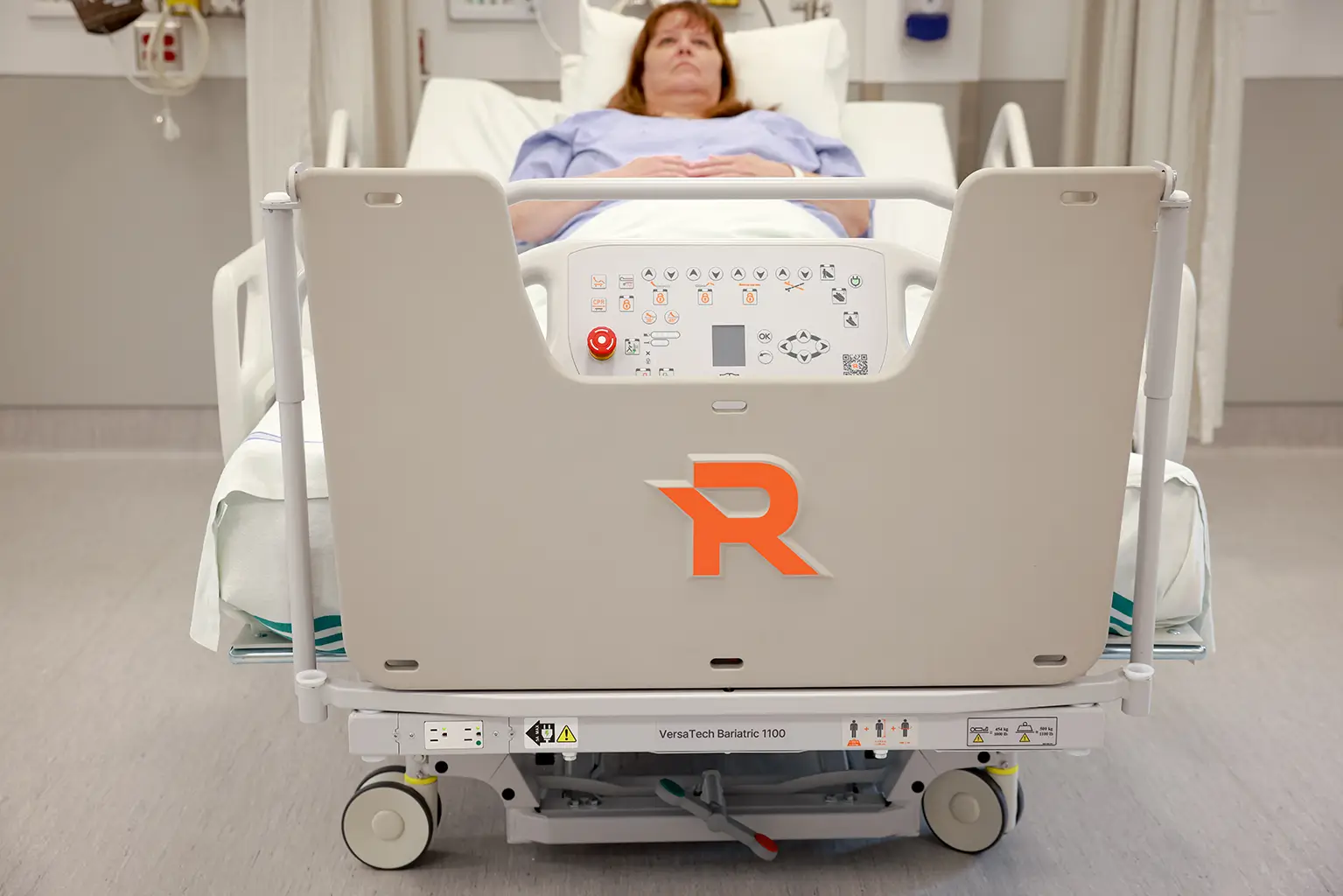
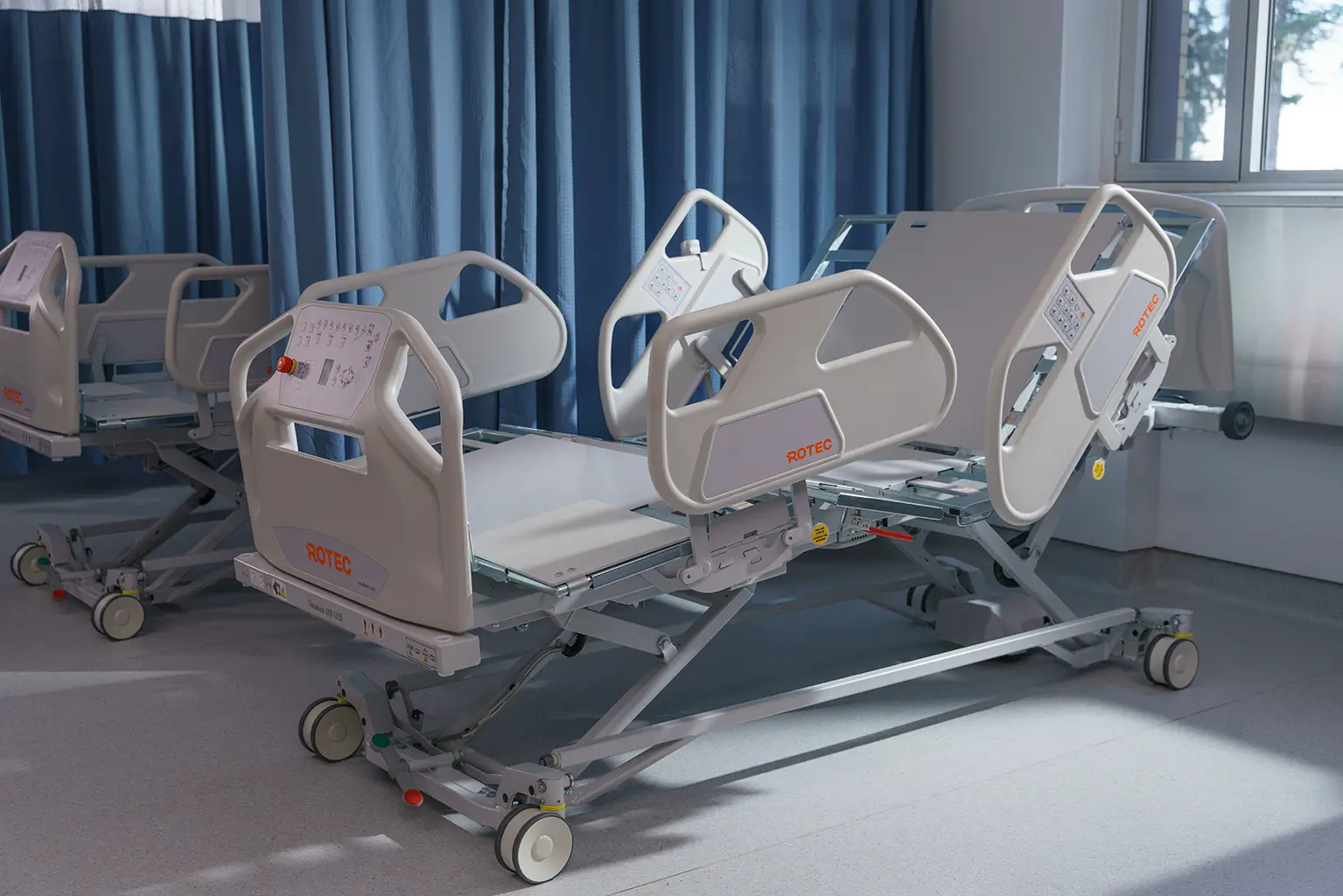
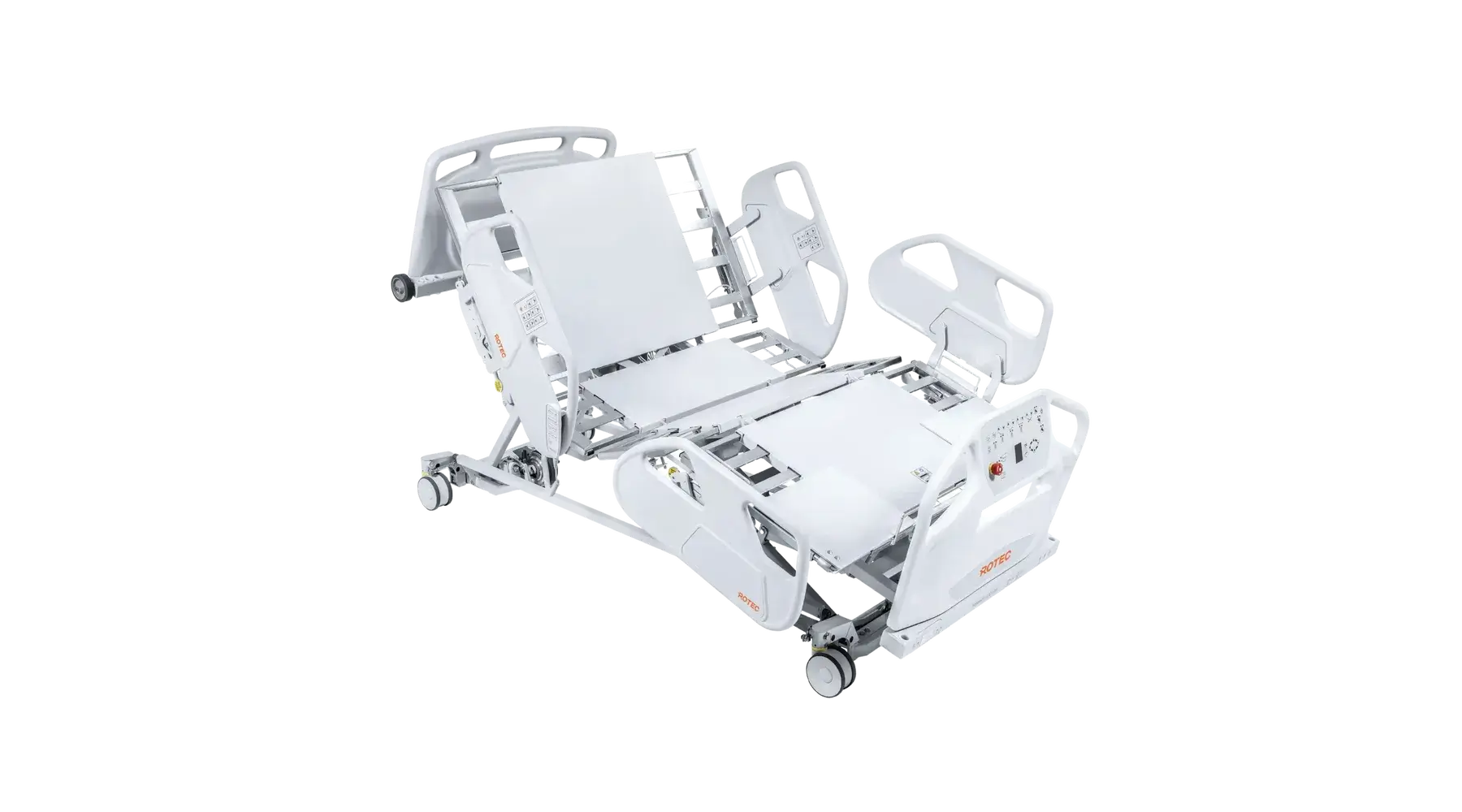
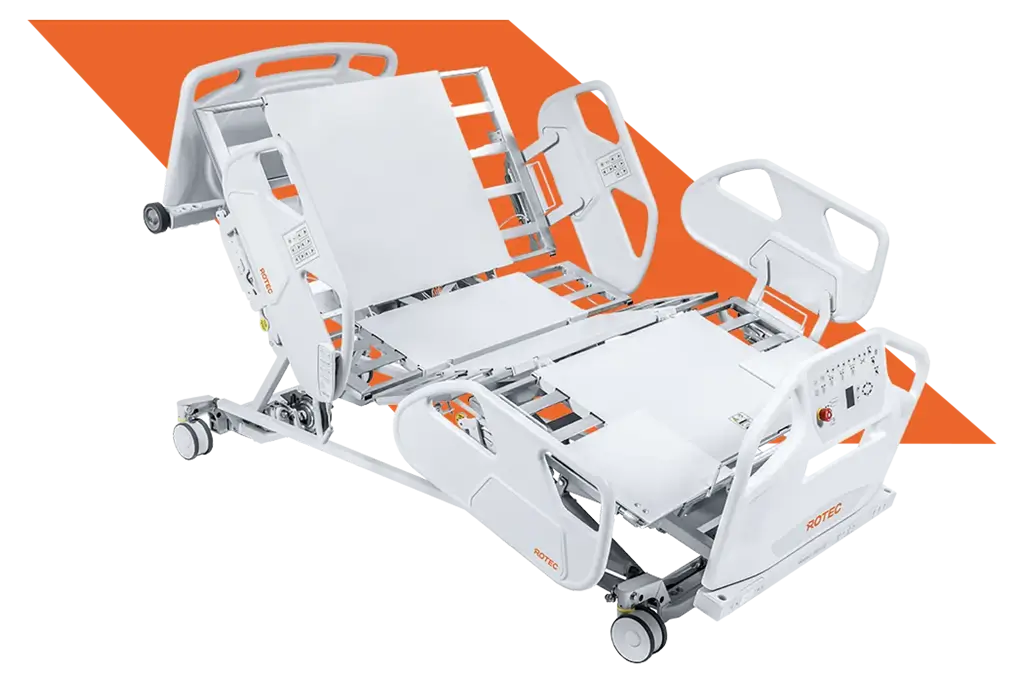
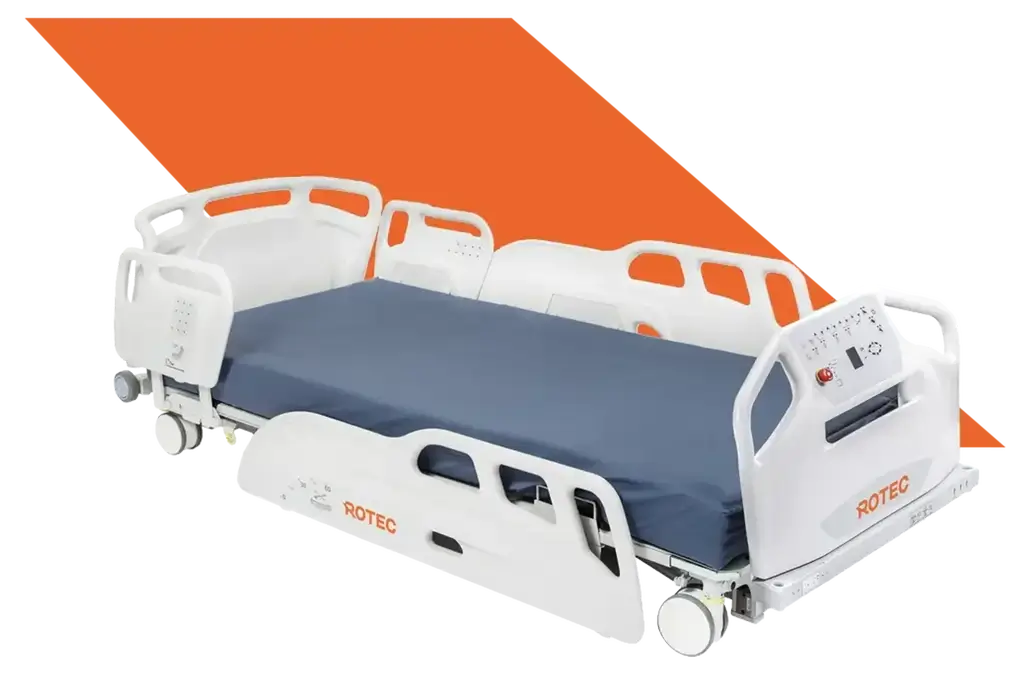
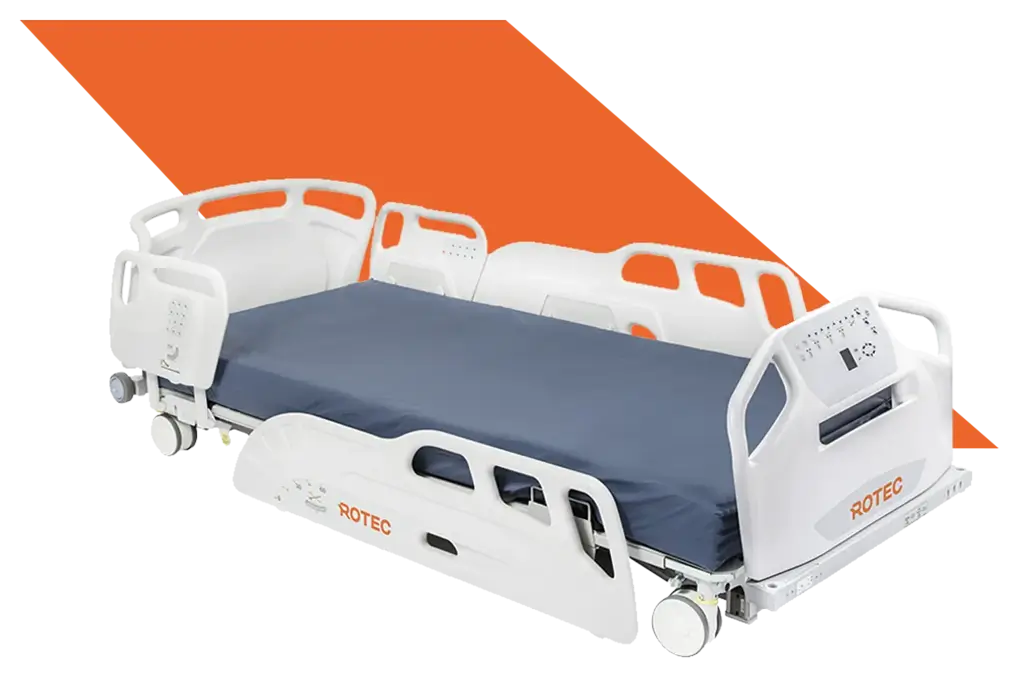
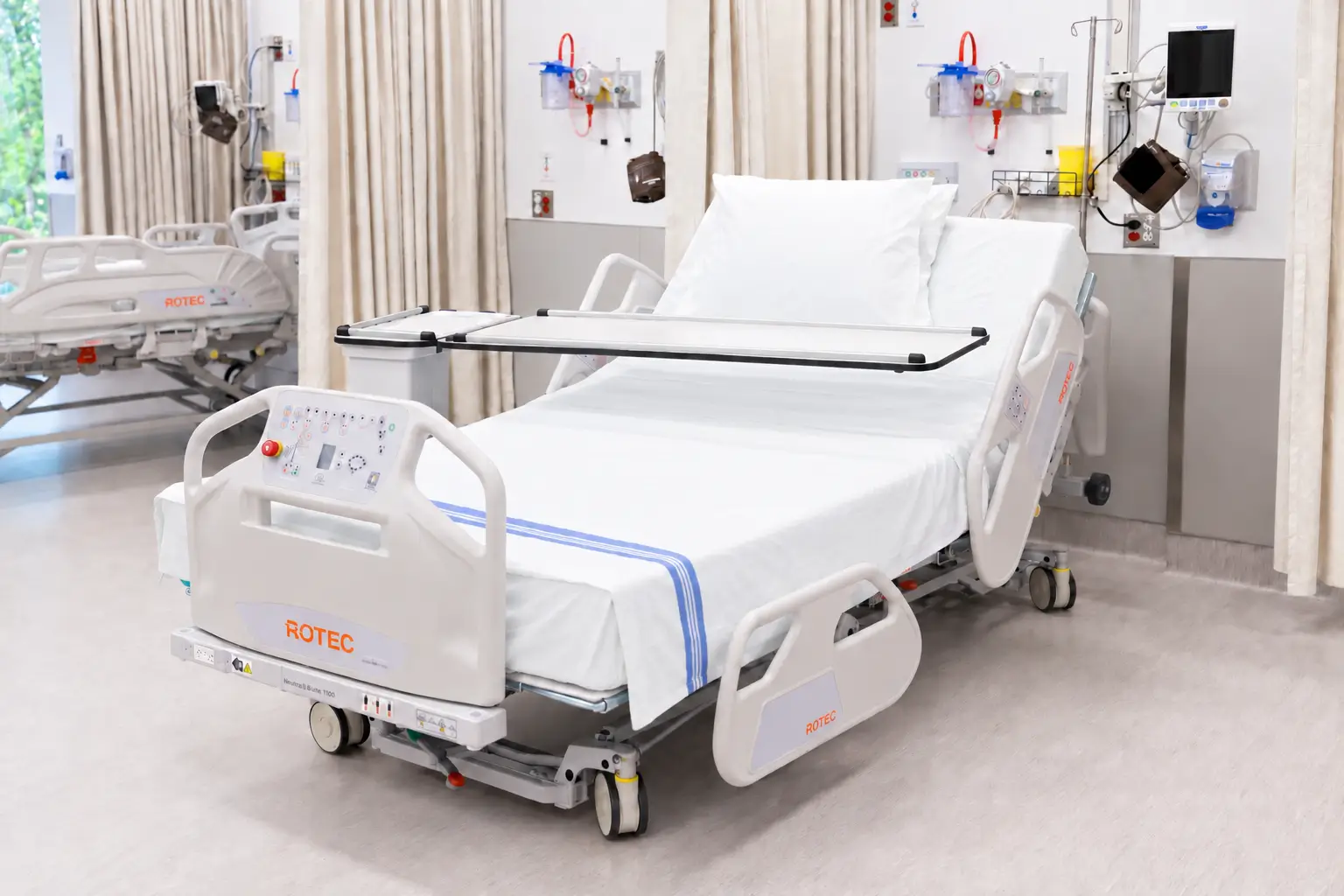
Rotec VersaTech bariatric bed and med-surg models uniquely sustain both patient repositioning and transfers, promoting patient safety at the touch of a button with lasting durability and superior safeguards against caregiver injuries.
Caregivers can also access robust FAQs, training manuals, and support by scanning QR codes integrated on all Rotec VersaTech beds.
Supporting Caregivers and Patients With Rotec VersaTech Beds
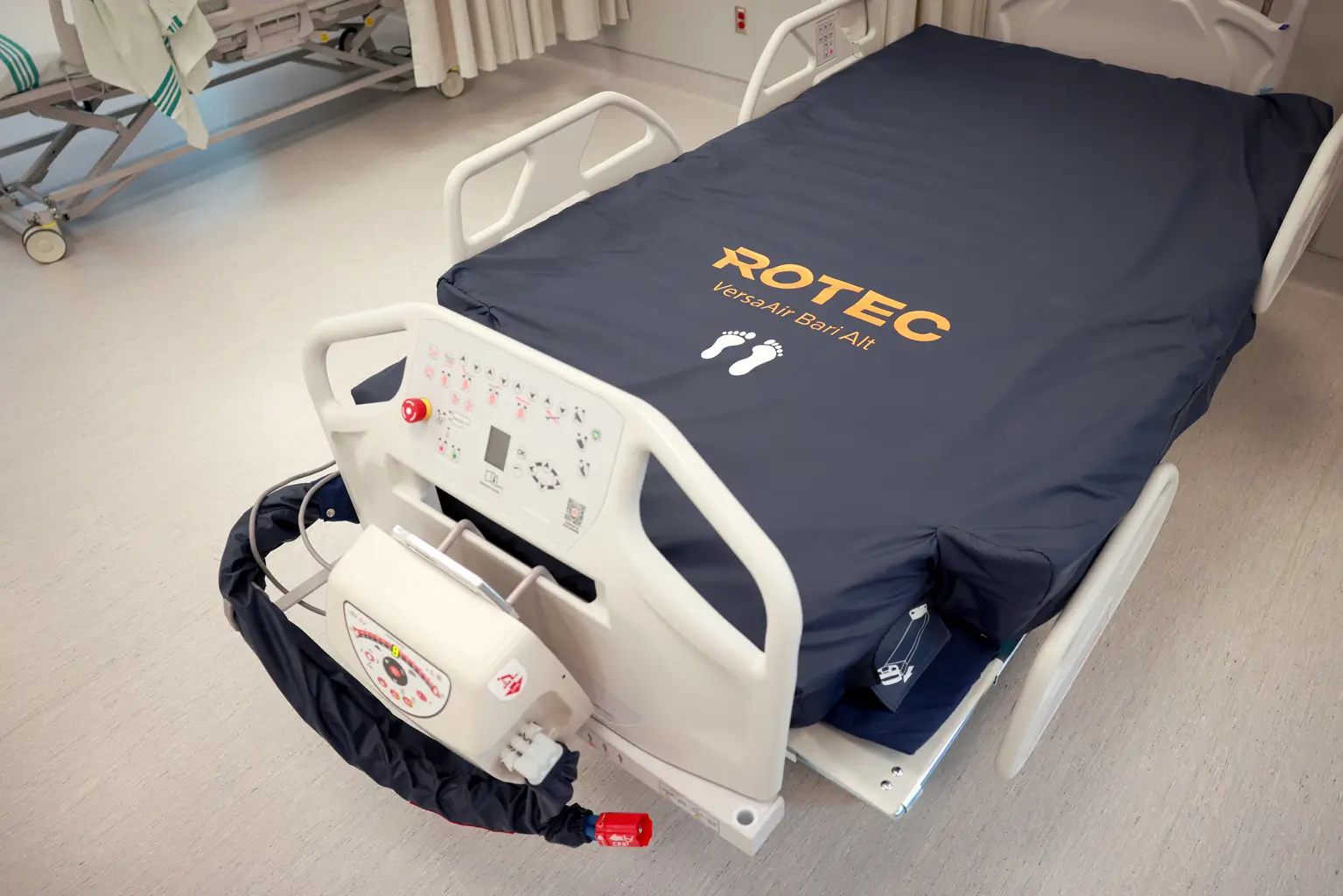
Rotec’s adaptable hospital bed design satisfies SPH program needs while safeguarding against caregiver overexertion. Intuitive features are instantly accessible from the footboard on bariatric and med-surg models.
Designed to support patients and providers alike, Rotec VersaTech beds raise or lower at the touch of a button, down to an industry-leading 8″ clearance, to accommodate patients of size with ease. That low profile is also a key safety feature for caregivers. Because the bed lowers so far, patients can place their feet flat on the floor from a seated position. Raising the bed platform then gently helps them rise to standing. This supports safe patient handling, reduces caregiver strain and lowers the risk of falls for patients. The frame adjusts just as easily, extending from 80″ to 84″ to 88″ long and up to 48″ wide.
Rotec VersaTech beds feature multiple safety features, including an integrated scale with three-zone bed exit alarms and easy Nurse Call access integrated into unique side rails for convenient patient access. The scale also lets hospitals use the beds as diagnostic equipment, making it easier to adapt to patient needs in other departments if needed.
Transporting patients across care areas is seamless and safe with Rotec’s optional VersaDrive motorized drive assist system. Rotec VersaDrive empowers a single nurse to transport the VersaTech Bariatric bed without risking strain, with sophisticated sensors that detect walking speed and intended direction of movement. Automatic braking brings the bed to a full stop and can be activated using integrated footboard controls.
Rotec recently launched a complete air mattress solution with the VersaAir Bari line. Every custom-designed mattress in the line fits the Rotec VersaTech Bariatric bed frame, giving patients optimal support while making repositioning safer and easier for caregivers.
In addition to making training easy with scannable QR codes, Rotec makes maintenance easy with strong after-sales service, always-in-stock parts, and a proprietary One Connect app that seamlessly connects users with Rotec support.
Connect with us to learn how Rotec VersaTech beds can best support your caregiver and patient safety goals.
Sources
- Zhou, J., and Neal Wiggermann. “The Effects of Hospital Bed Features on Physical Stresses on Caregivers When Repositioning Patients in Bed.” Applied Ergonomics 90 (2021): 103259. https://www.sciencedirect.com/science/article/pii/S000368702030209X
- Olinski, Christine, and Christine E. Norton. “Implementation of a Safe Patient Handling Program in a Multihospital Health System From Inception to Sustainability: Successes Over 8 Years and Ongoing Challenges.” Workplace Health & Safety 65, no. 11 (2017): 546–559. https://doi.org/10.1177/2165079917704670
- Schoenfisch, Ashley L., et al. “Use of Assistive Devices to Lift, Transfer, and Reposition Hospital Patients.” Nursing Research 68, no. 1 (2019): 3–12. https://www.safety.duke.edu/sites/default/files/Use_of_Assistive_Devices_to_Lift_Transfer.pd
- Fray, M., and Kermit G. Davis. “Effectiveness of Safe Patient Handling Equipment and Techniques: A Review of Biomechanical Studies.” Human Factors 66, no. 10 (2024): 2283–2322. https://pmc.ncbi.nlm.nih.gov/articles/PMC11382441
- Dockrell, Sara, and Graham Hurley. “Moving and Handling Care of Bariatric Patients: A Survey of Clinical Nurse Managers.” Journal of Research in Nursing 26, no. 3 (2021): 194–204. https://doi.org/10.1177/1744987120970623